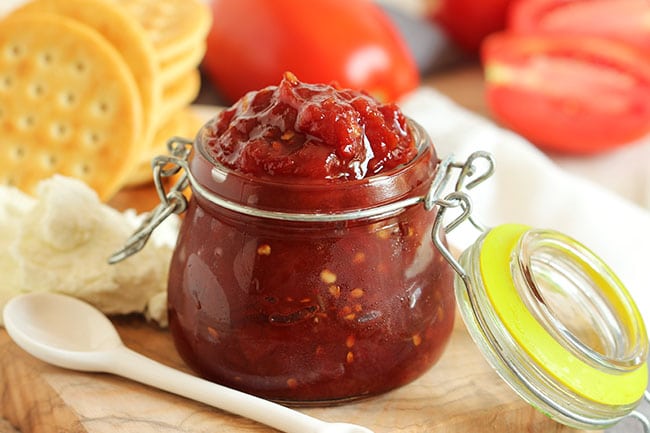
The Transformative Power of Tomato Jam: A Condiment Reimagined
Forget everything you thought you knew about tomatoes. While often relegated to savory sauces, salads, or the humble slice on a sandwich, the tomato possesses a hidden sweetness that, when coaxed out and concentrated, creates one of the most astonishingly versatile and addictive condiments imaginable:
tomato jam. More nuanced than ketchup, bolder than chutney, and surprisingly sophisticated, tomato jam is a culinary revelation that deserves a permanent spot in your pantry.
Imagine a spread that effortlessly bridges the gap between sweet and savory, a sticky, gleaming preserve bursting with the concentrated essence of summer. It’s perfect slathered on a turkey burger, an unexpected foil for a pungent, stinky cheese, or a vibrant accompaniment to roasted root vegetables. Once you experience its depth and complexity, you'll wonder how you ever lived without it. Its versatility is truly remarkable, transforming everyday dishes into gourmet experiences. To fully appreciate its range, delve deeper into its applications with our guide:
Unlock Tomato Jam's Potential: From Burgers to Stinky Cheese.
But achieving this perfect, gooey, sweet-and-tangy perfection isn't just about the ingredients; it’s about understanding a few crucial, counter-intuitive techniques. Two of the most important secrets lie in how you prepare your tomatoes and the type of pot you use.
The Unconventional Wisdom: Why You Should Never Peel Your Tomatoes
For many home cooks, the instinct when making anything with tomatoes – be it sauce, soup, or even a preserve – is to peel and deseed them. It's a natural inclination, often driven by a desire for a smooth texture or to remove perceived bitterness. However, when it comes to crafting truly exceptional tomato jam, this common practice is not just unnecessary; it’s detrimental.
Here’s why embracing the whole tomato is paramount for your jam:
- Texture and Body: The skins and seeds are not merely undesirable bits; they are essential structural components. Without them, your tomato jam risks becoming overly sweet, thin, and lacking the satisfying texture that defines a good jam. The skins contribute a subtle chewiness and body, helping the jam achieve its characteristic thickness as it reduces. Think of them as natural thickeners and texture enhancers, providing the foundational mouthfeel that makes this jam so unique.
- Flavor Balance: Paradoxically, removing the skins and seeds can lead to a finished product that is too sweet. While tomatoes are inherently sweet, the subtle bitterness and earthy notes present in the skin and seeds provide crucial counterpoints to the added sugar. This balance prevents the jam from tasting one-dimensional, ensuring a complex, well-rounded flavor profile that keeps you coming back for more. They help ground the sweetness, allowing the savory undertones of the tomato to shine through.
- Natural Setting Properties: While tomato jam doesn't rely on added pectin, the skins contain naturally occurring pectin. While not enough to create a super firm jelly-like set, they certainly contribute to the overall viscosity and gelling properties of the jam, helping it achieve that wonderfully sticky, spreadable consistency through reduction.
The first time you resist the urge to peel, it might feel rebellious. But trust the process: those "bits" are precisely what elevate your tomato jam from a sweet sauce to a truly extraordinary preserve.
The Essential Tool: How a Wide Pot Guarantees Success
The journey to perfect tomato jam is largely a journey of reduction. Unlike many fruit jams that rely heavily on added pectin for their set, tomato jam achieves its signature gooey consistency through the slow evaporation of moisture and the concentration of natural sugars. This process, by its very nature, demands a specific kind of cooking vessel.
Enter the wide, shallow pot. This isn't just a preference; it's a fundamental principle for success.
- Maximizing Surface Area for Evaporation: The wider the pot's opening, the greater the surface area of the jam exposed to the air. This expansive exposure allows moisture to evaporate much more quickly and efficiently. Imagine a puddle drying faster than water in a narrow bucket – it's the same principle. Faster evaporation means your jam reduces more swiftly, concentrates its flavors more effectively, and reaches that ideal thick consistency without endless simmering.
- Preventing Overcooking and Burning: A wide pot reduces the overall cooking time required to achieve the desired consistency. This is crucial because prolonged cooking in a tall, narrow pot forces you to reduce for much longer, increasing the risk of the sugars on the bottom caramelizing too much or, worse, burning before the rest of the jam is adequately set. A wide pot ensures more even heating and reduction.
- Optimal Sugar Concentration and Caramelization: As the jam reduces, the sugars naturally present in the tomatoes, along with any added sugar, concentrate. The even, efficient reduction in a wide pot promotes gentle caramelization, deepening the jam's flavor and color without scorching.
Traditional stock pots, designed to *prevent* evaporation for making stocks and soups, are precisely the wrong choice for this recipe. Instead, reach for a low, wide Dutch oven, a broad soup pot, or a large, shallow braiser. These vessels are designed to maximize heat distribution and facilitate evaporation, making them ideal for the slow, steady transformation of tomatoes into glorious jam.
Mastering the Craft: Further Tips for Perfect Tomato Jam
Beyond the pivotal choices of not peeling and using a wide pot, a few other considerations will elevate your tomato jam from good to truly unforgettable.
The Yield Factor: Choosing Your Tomatoes Wisely
While virtually *any* tomato variety can be used to make tomato jam, your choice will significantly impact your yield and, to some extent, your cooking time.
- Meaty Tomatoes for Higher Yields: Varieties like Roma, San Marzano, or other paste tomatoes are denser and contain less water. If you're looking to maximize your batch, these are excellent choices as they will produce a higher yield of finished jam per pound of raw tomatoes. Their solid flesh means less liquid to evaporate.
- Watery Tomatoes Still Work (But Yield Less): Heirloom slicers, beefsteaks, or other juicy, watery varieties will still make delicious jam, but expect a smaller yield. You'll simply have more water to evaporate, which might slightly increase your cooking time. Don't let this deter you from using your favorite garden tomatoes; just adjust your expectations for the final quantity. The beauty of tomato jam is its adaptability – use what you have!
The Golden Rule: Resisting the Urge to Double the Batch
It's tempting, when you discover a recipe this good, to want to make a huge batch all at once. For tomato jam, however, scaling up comes with significant caveats. This jam relies entirely on reduction and sugar concentration for its texture, without the aid of additional pectin.
Doubling the batch dramatically increases the volume of liquid that needs to evaporate. This translates to a significantly longer cooking time, which not only tests your patience but also substantially increases the risk of the jam sticking and burning on the bottom of your pot before it reaches the proper consistency. For best results and consistent texture, stick to single batches. If you need more, make two separate batches; your future self (and your jam) will thank you.
The Alchemy of Flavor: Balancing Sweetness with Zest and Spice
While the tomato itself provides a beautiful foundation, the true magic of tomato jam lies in its expertly balanced flavor profile.
- The Role of Sugar: Sugar is indispensable, not just for sweetness, but for achieving that iconic gooey, sticky, jam-like quality. Without enough sugar, you're making a tomato sauce, not a jam. It's the sugar, concentrated through reduction, that gives it body and preserves it.
- The Counterpoint of Acid: Even though tomatoes are acidic, the addition of sugar demands a counter-acid to prevent the jam from becoming cloyingly sweet. Lemon juice is a classic choice, but lime juice can offer a brighter, more distinct tang, while a dash of apple cider vinegar can introduce a subtle sharpness. Experiment to find your preferred balance – this is where personal preference truly shines.
- Infusion of Savory Notes: To elevate the jam beyond simple sweet-and-sour, consider infusing savory elements. A pinch of ground cumin, a dash of red pepper flakes for a gentle kick, a hint of fresh ginger, or even a subtle whisper of cinnamon can add incredible depth and warmth, transforming the jam into a multi-layered flavor experience.
Mastering tomato jam isn't about rigid rules, but about understanding the principles that guide its transformation. By embracing the whole tomato, utilizing the right kind of pot, and understanding how to balance flavors, you'll unlock a condiment that is truly unparalleled.
In conclusion, the journey to perfect
tomato jam is one of embracing unconventional wisdom. Trust that the skins and seeds are your allies for texture and flavor, and that a wide, shallow pot is your best friend for efficient reduction. Resist the urge to double your batch, and remember that a harmonious balance of sweet, tangy, and savory is the key to a truly remarkable spread. Dive in, experiment, and prepare to be utterly captivated by the profound potential of this glorious preserve.